
Trauma can affect how a person thinks, feels, responds to stress, and builds relationships. Difficult experiences may leave someone feeling emotionally overwhelmed, disconnected, anxious, or unable to relax. Healing is a personal journey, and different people may find different forms of support helpful.
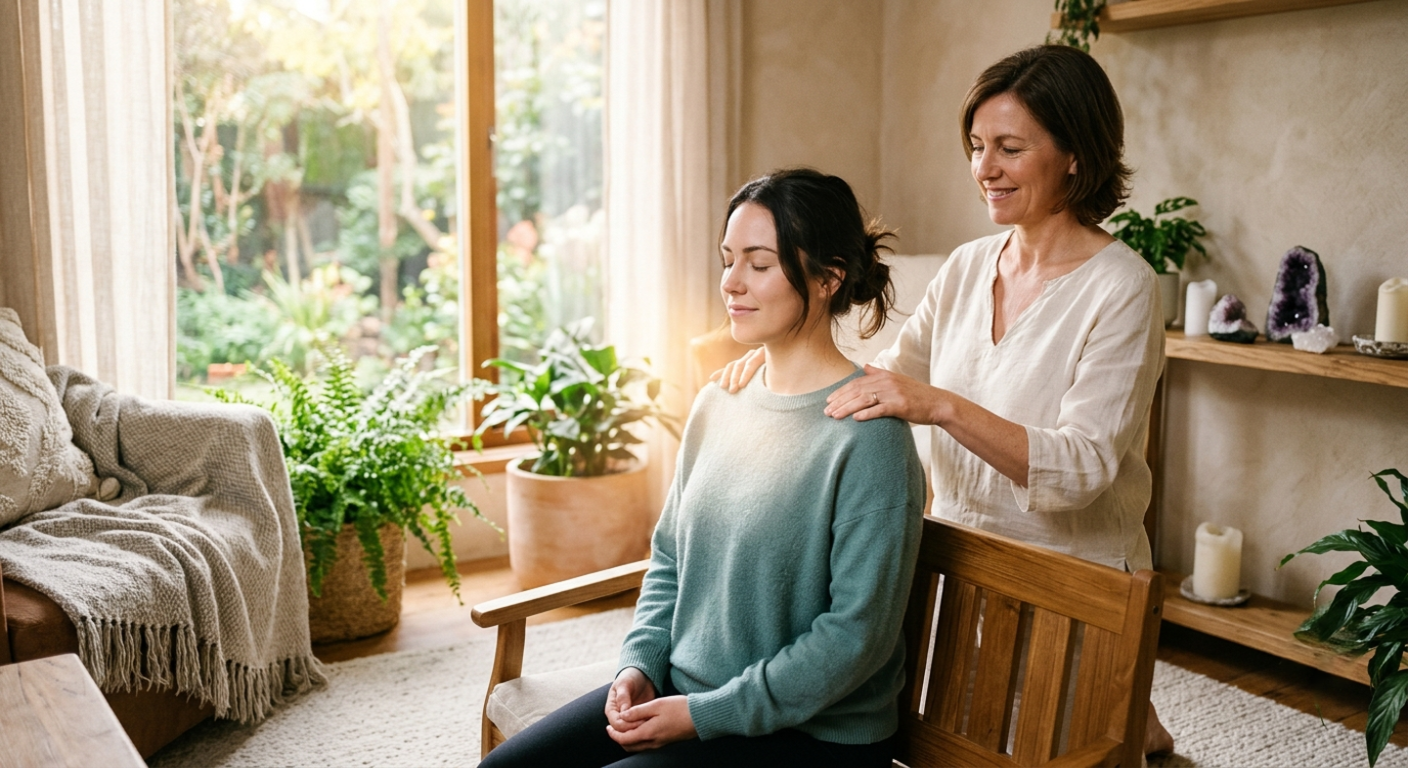
For people exploring reiki help in trauma, Reiki may offer a calming environment to practise relaxation, mindfulness, and emotional self-care. Reiki is a complementary wellness practice that involves gentle touch or hands held above the body. Some people find these sessions comforting, although scientific evidence that Reiki directly heals trauma remains limited.
At Sangeeta Healing Temples, individuals interested in Reiki and emotional wellness can explore how relaxation-based practices may fit into their broader self-care routine.
The Power of Reiki Healing Trauma
Traumatic experiences can sometimes affect a person’s sense of safety, emotional balance, and connection with themselves. Healing may involve learning to manage difficult emotions, developing healthy coping strategies, and gradually rebuilding trust.
Reiki is sometimes used as a complementary practice by people seeking relaxation and emotional comfort. A session generally takes place in a quiet setting, allowing the individual to rest while a practitioner places their hands lightly on the body or holds them just above it. When exploring Reiki for trauma, it is important to choose a practitioner who respects personal boundaries, understands the importance of consent, and does not make promises about curing emotional pain.
How to Overcome Deep Trauma
Overcoming deep trauma is a gradual process, and there is no single approach that works for everyone. The experience can be different depending on the nature of the event, the support available, and the person’s individual circumstances.
Several strategies may help support recovery:
1. Seek professional support: A qualified mental health professional can help you understand trauma responses and explore appropriate treatments. Trauma-focused therapies may be particularly helpful for some people.
2. Build a sense of safety: Create routines that help you feel more grounded. Spending time in a comfortable environment and maintaining healthy boundaries can support emotional well-being.
3. Practise grounding techniques: Slow breathing, noticing your surroundings, and gently focusing on physical sensations may help when you feel overwhelmed.
4. Stay connected with supportive people: Trusted friends, family members, or support groups can provide understanding and reduce feelings of isolation.
5. Explore complementary wellness practices: Relaxation, meditation, and Reiki may help some individuals manage stress alongside appropriate care.
Healing does not require forcing yourself to revisit painful memories before you are ready. Move at your own pace and seek professional guidance if symptoms interfere with everyday life.
How Does Reiki Work?
Reiki is a complementary practice that originated in Japan. It is based on the practitioner’s belief in a universal life energy, which is reflected in the name Reiki. Practitioners typically use gentle hand placements or hold their hands above the body during a session.
A Reiki session commonly involves the following steps:
- Preparing the space: The practitioner creates a quiet and comfortable environment.
- Discussing comfort and consent: The client can explain their preferences and request hands-off treatment.
- Beginning the session: The client usually sits or lies down while the practitioner performs the Reiki practice.
- Relaxation: The client is encouraged to rest without any pressure to talk about personal experiences.
- Checking in afterward: The practitioner may invite the client to share how they felt during the session.
Some people report feeling relaxed, warm, or peaceful during Reiki. Others may not notice any particular sensation, and both experiences are normal.
Reiki for Emotional Healing
Emotional healing involves understanding feelings, developing healthier responses to stress, and gradually finding ways to feel safe and connected again.
People exploring Reiki for emotional healing may appreciate having dedicated time to rest without needing to explain or justify their emotions. A calm environment and supportive interaction can sometimes make relaxation easier.
Potentially helpful aspects of a Reiki session may include:
- Setting aside time for self-care.
- Creating an opportunity for quiet reflection.
- Supporting a relaxation routine.
- Encouraging awareness of physical tension and emotional needs.
- Complementing other healthy coping practices.
However, Reiki does not guarantee emotional healing, and scientific research has not established it as an effective trauma treatment.
At Sangeeta Healing Temples, people interested in Reiki can learn about the practice and consider whether a relaxation-focused session aligns with their personal wellness preferences.
Can Reiki Heal Childhood Trauma?
Childhood trauma can influence emotional well-being, relationships, self-esteem, and feelings of safety later in life. Experiences such as neglect, abuse, loss, or prolonged exposure to frightening situations may have lasting effects.
Reiki is sometimes explored by adults who want to include relaxation and self-care in their healing journey. A gentle session may provide a quiet space to rest, but there is no reliable scientific evidence that Reiki resolves childhood trauma or removes traumatic memories.
Trauma-informed mental health support can help individuals work through these experiences at a pace that feels manageable. Evidence-based approaches, including trauma-focused cognitive behavioural therapy and other appropriate treatments, may be recommended depending on individual needs.
If you choose to explore Reiki, remember that you do not need to discuss childhood experiences or disclose personal details during a session. You should always be able to pause or stop whenever you feel uncomfortable.
Reiki Benefits
Reiki is commonly associated with relaxation and general wellness. While research has not established Reiki as an effective treatment for trauma or other specific medical conditions, some people find the experience personally comforting.
Potential benefits people may report include:
Relaxation: A quiet session may provide a break from everyday responsibilities and stress.
Time for self-care: Scheduling a session can encourage individuals to prioritise rest and personal well-being.
A calming environment: Soft surroundings and a gentle pace may help some people feel more comfortable.
Mind-body awareness: Quietly noticing bodily sensations may help people become more aware of tension and their need for rest.
Complementary support: Reiki may form part of a broader wellness routine when used alongside appropriate medical or psychological care.
Experiences vary from person to person. Reiki should not be considered a substitute for trauma treatment, and practitioners should not promise guaranteed results.
Reiki for Trauma Near Me
When searching for reiki help in trauma near me, it is important to look beyond convenience and consider the practitioner’s approach, experience, and respect for personal boundaries.
Here are some points to consider when choosing a Reiki practitioner:
- Consent and boundaries: Ask whether hands-off sessions are available and how your comfort will be maintained.
- Trauma awareness: Look for a practitioner who understands that certain touch, sounds, or situations may feel uncomfortable for trauma survivors.
- Clear expectations: Choose someone who explains what Reiki involves without promising to cure trauma or guarantee emotional results.
- Privacy: Ask how personal information and anything shared during sessions will be handled.
- Professional limitations: A responsible practitioner should recognise when someone needs support from a licensed mental health professional.
Sangeeta Healing Temples offers a context for exploring Reiki and complementary wellness practices. If you are considering a session, ask about the process, available options, and how the practitioner accommodates individual comfort levels.
Remember that a suitable practitioner should never pressure you to share painful memories, stop prescribed treatment, or continue a session that feels distressing.
Reiki and Trauma
Reiki and trauma are often discussed together because some people seek relaxation practices while navigating difficult emotional experiences. Understanding the difference between relaxation and trauma treatment is essential.
Trauma can affect the nervous system, emotional responses, sleep, concentration, and relationships. Recovery may involve psychological treatment, supportive relationships, healthy routines, and other forms of appropriate care.
Reiki may offer a structured period of rest for people who find the setting comfortable. However, it has not been established as a method for processing traumatic memories, preventing trauma-related conditions, or restoring the nervous system after trauma.
A trauma-informed approach prioritises choice, safety, collaboration, and respect. You should remain in control of whether you receive touch, discuss personal experiences, or continue a session.
If Reiki makes you feel uncomfortable, overwhelmed, or emotionally unsettled, you can stop and seek support. There is no requirement to continue a complementary practice if it does not feel right for you.
For ongoing symptoms associated with trauma, a qualified mental health professional can help you identify suitable treatment options. Reiki, if chosen, should remain complementary rather than the primary treatment.
Reiki Helped Me Heal from the Trauma: Understanding Personal Experiences
People sometimes share stories about how Reiki helped them feel calmer or more connected with themselves during difficult periods. These personal experiences can be meaningful, but they do not establish that Reiki directly heals trauma or produces the same outcome for everyone.
Someone who says, “Reiki helped me heal from the trauma,” may be describing a sense of relaxation, comfort, or support they experienced during their recovery journey.
At Sangeeta Healing Temples, exploring Reiki can be approached as part of a broader interest in emotional wellness and self-care, without assuming that the practice will resolve trauma.
Final Thoughts: Is Reiki a Helpful Option for Trauma?
Reiki may provide a relaxing experience for some people who are looking for additional ways to support their well-being. However, it is not a scientifically established treatment for trauma, and there is no guarantee that it will improve trauma-related symptoms.
If you are exploring reiki help in trauma, consider your comfort, personal boundaries, and overall support needs before booking a session. For persistent emotional distress, a qualified mental health professional can help you explore appropriate, evidence-based treatment options.
Sangeeta Healing Temples encourages an informed approach to wellness, where complementary practices are considered thoughtfully and individual needs are respected. Emotional recovery is personal, and seeking professional help is a positive step toward finding the support that works for you.